Who Were the Hollywood Ten?
During the Second Red Scare, many Americans feared that communists were influencing the United States. This fear led to a period known as McCarthyism, named after Senator Joseph R. McCarthy, who became famous for accusing people of being communists without strong evidence. As fear spread across the country, the government began investigating many parts of society. One major target was the entertainment industry, especially in Hollywood. One of the most famous cases involved ten writers and directors who became known as the Hollywood Ten.
HUAC and Hollywood
In 1947, the House Un American Activities Committee (HUAC) began investigating Hollywood. Committee members believed that movies might be spreading communist ideas. Actors, writers, and directors were called to testify before Congress. They were asked questions like, “Are you now, or have you ever been, a member of the Communist Party?” Some people answered the questions. Others refused.
The Hollywood Ten
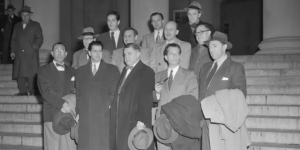
The Hollywood Ten were ten men who worked as writers and directors in the film industry. They refused to answer HUAC’s questions. The group included Alvah Bessie, Herbert Biberman, Lester Cole, Edward Dmytryk, Ring Lardner Jr., John Howard Lawson, Albert Maltz, Samuel Ornitz, Adrian Scott, and Dalton Trumbo. They believed the questions violated their constitutional rights, especially freedom of speech. Because they refused to cooperate, they were charged with contempt of Congress, meaning they disobeyed a lawful order.
The Hollywood Ten and the Blacklist
The Hollywood Ten were found guilty and sent to prison. They also lost their jobs in the film industry. Soon after, Hollywood studios created a blacklist. This was a list of people who were not allowed to work because they were suspected of having communist ties. Hundreds of actors, writers, and filmmakers were blacklisted. Many had done nothing wrong. Some writers tried to keep working by using fake names or having others take credit for their work. For example, Dalton Trumbo secretly wrote films under different names and still won awards, while Michael Wilson helped write major films but was not given credit. Despite these efforts, many people lost their careers completely.
Pressure to Name Names
During HUAC hearings, many people were pressured to “name names,” meaning they had to accuse others of being connected to communism. Some people cooperated to protect themselves. Others refused and faced punishment. This created fear and mistrust throughout Hollywood and across the country.
Why It Matters
The Hollywood Ten case helped fuel an anticommunist frenzy, when fear of communism spread and people were often suspected without strong evidence. This fear, part of McCarthyism, shaped life during the Cold War. It shows how fear can limit freedom, as many were punished for their beliefs. It also highlights the importance of free speech and reminds us how the Second Red Scare affected American society.
Reading check
The Hollywood Ten: Interactive Quiz
Answer five questions about HUAC, the Hollywood Ten, and the blacklist. Check each answer for feedback, then see your final score.